Bilingual SEO and GEO content strategy
Localising a Singapore content library for Hong Kong and building a GEO-optimised editorial workflow from scratch.
Localising Endowus's Singapore content library for Hong Kong, and building a GEO-optimised bilingual editorial workflow from scratch.
Metrics and outcomes
The challenge
Endowus had a strong content presence in Singapore, and the business need for the Hong Kong expansion was localising that library for a market with different regulation, different search behaviour and a different investor mindset — while building a GEO-optimised editorial workflow that runs across channels.
The user need had three layers: localisation that felt native rather than translated, SEO matched to Hong Kong search intent and volume, and GEO structuring so articles could surface as direct answers in AI-powered search, not just traditional results.
The problem to solve: adapt an existing content library for a new regulatory and linguistic market while building the editorial standards to make it GEO-visible from day one.
Gathering insights
What do Hong Kong users actually read?
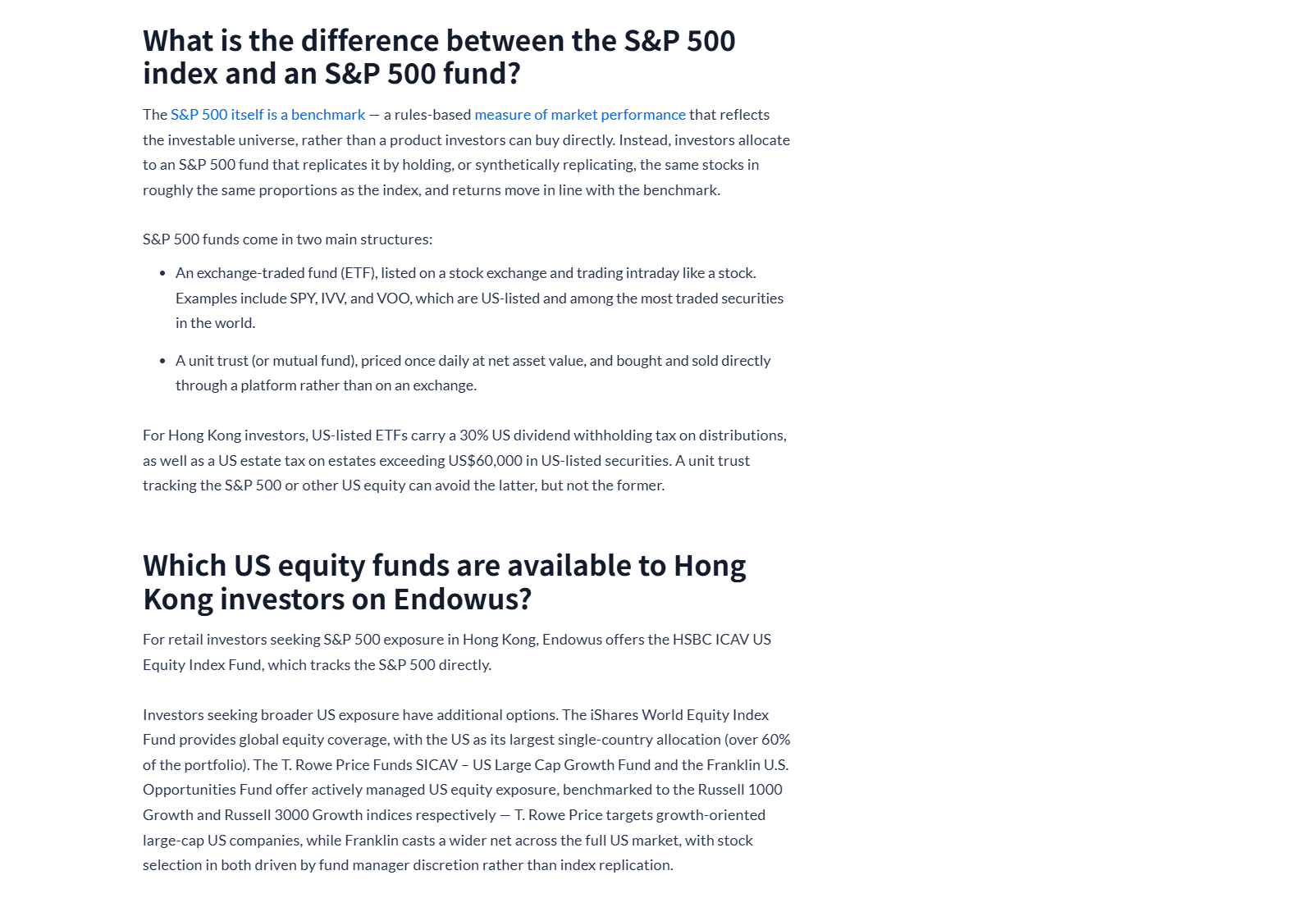
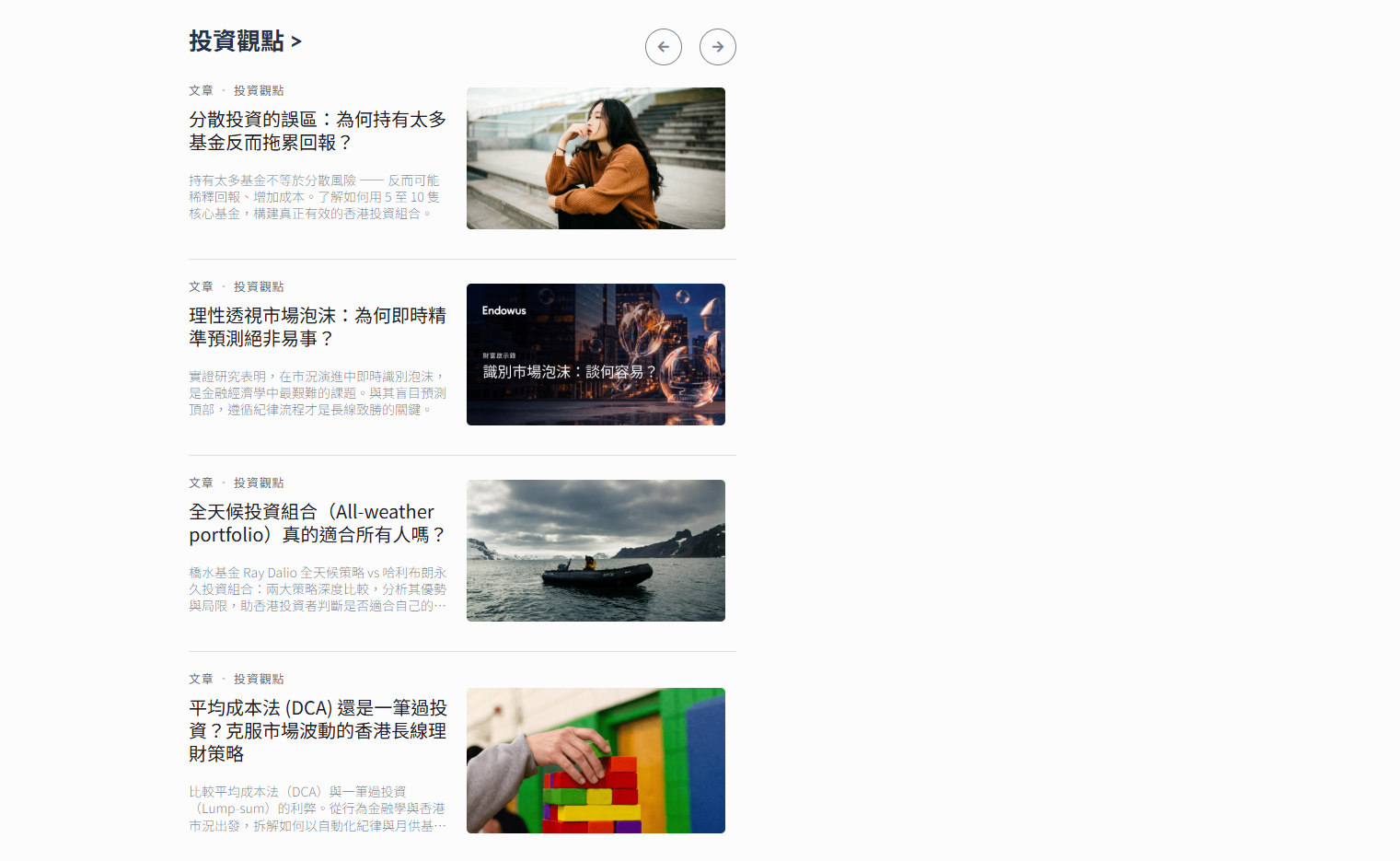
First and foremost, we needed to consider the difference in user behaviour between Hong Kong and Singapore. While Singaporean audiences prefer longer-form articles about personal finance and financial literacy, Hong Kong audiences, being more time-pressed, prefer more bite-sized content about market access and returns.
Is this damaging the brand?
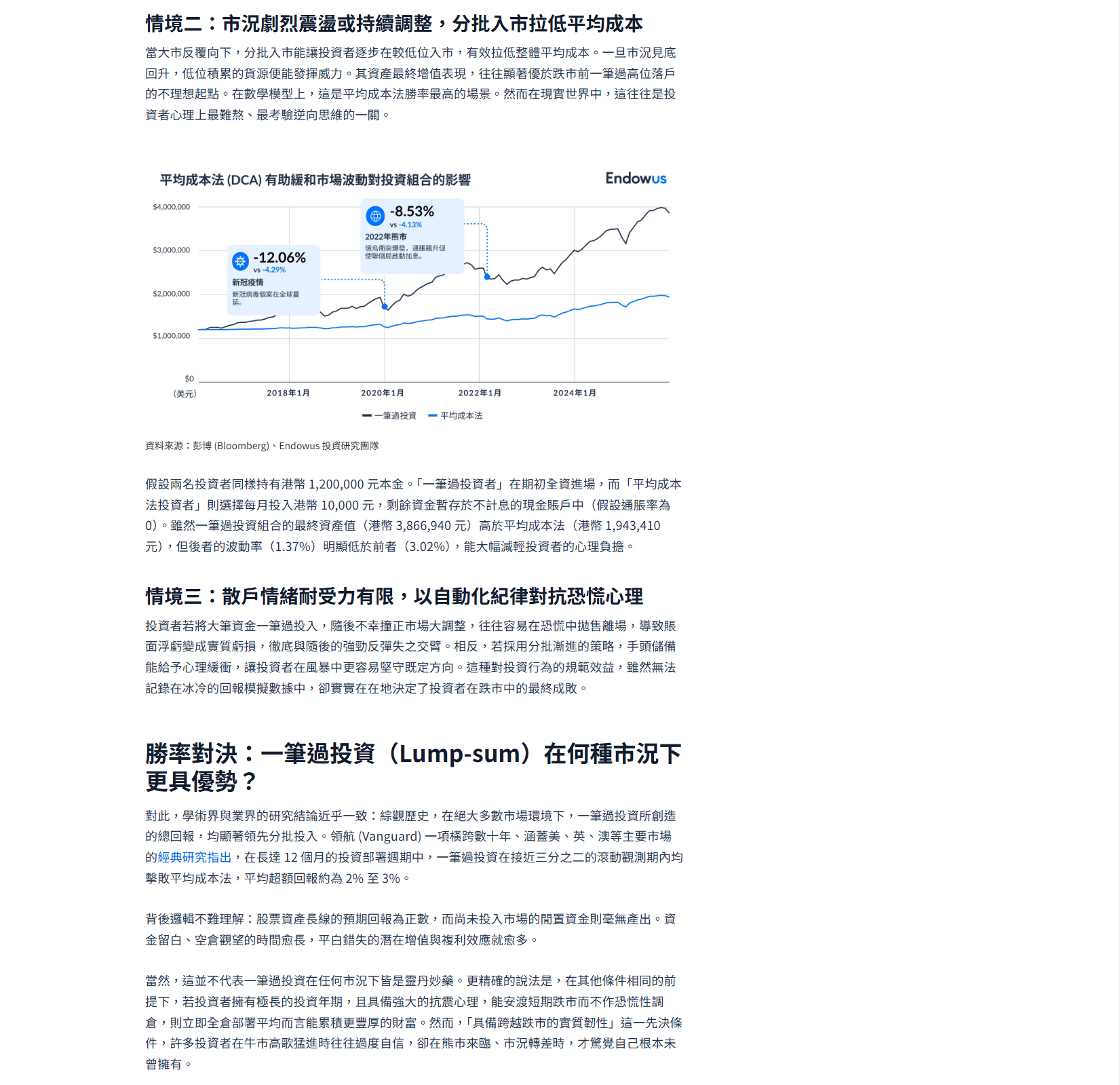
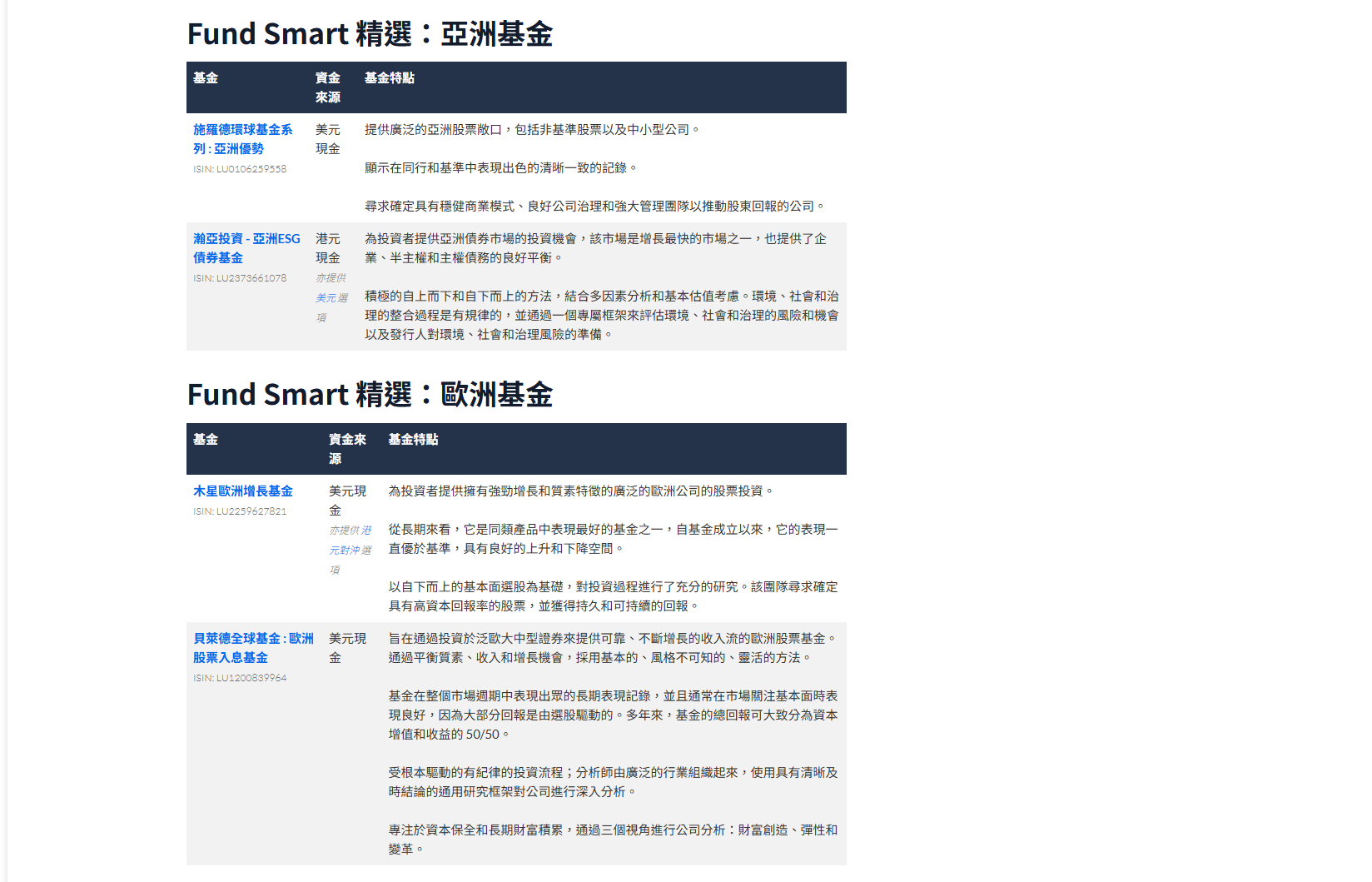
Much of the localisation had been done by Google Translate, and people could tell from the quality. In-app copy and landing pages were either badly translated or too jargon-heavy. These were the channels doing the most work, so they were the ones that had to be rebuilt first.
How are SEO and GEO visibility doing?
Endowus HK also had a search visibility issue. Its thin SEO and GEO offering meant it wasn’t being cited by AI or ranked as well as it should have been. Data also showed that content on retirement and market access carried more visibility than the rest.
Ideation
Defined localisation priorities
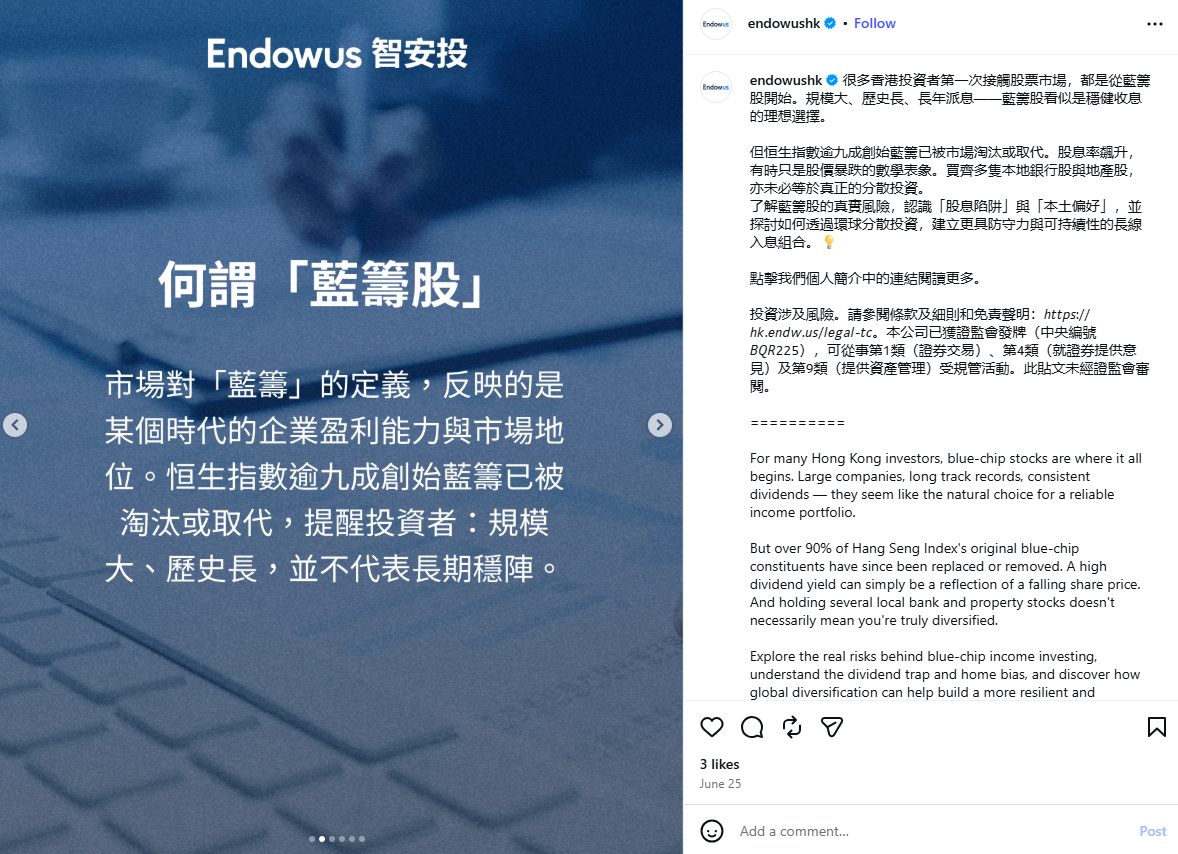
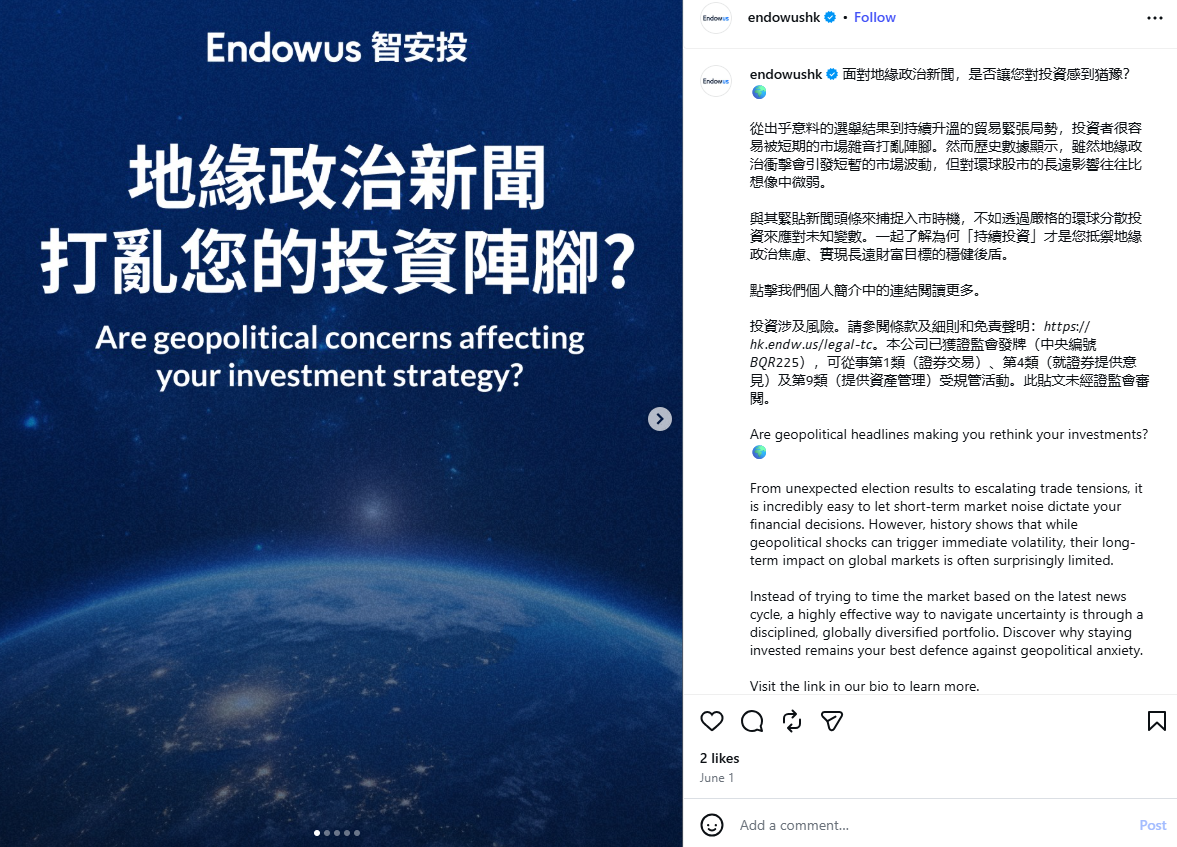
I worked with senior management to reshape the HK content strategy by search volume, AI visibility, search intent, customer queries and ease of navigation, and on cultural relevance to the local market. The goal was to build brand authority through impressions, visibility and trust. That meant a heavier focus on bite-sized content via Instagram, financial literacy (finlit) articles, electronic direct mail (eDM) and bilingual UX writing that builds rapport. I also led the backlinking initiatives, driving partnership content with Standard Chartered and MPF Ratings.
On-page SEO and GEO optimisation
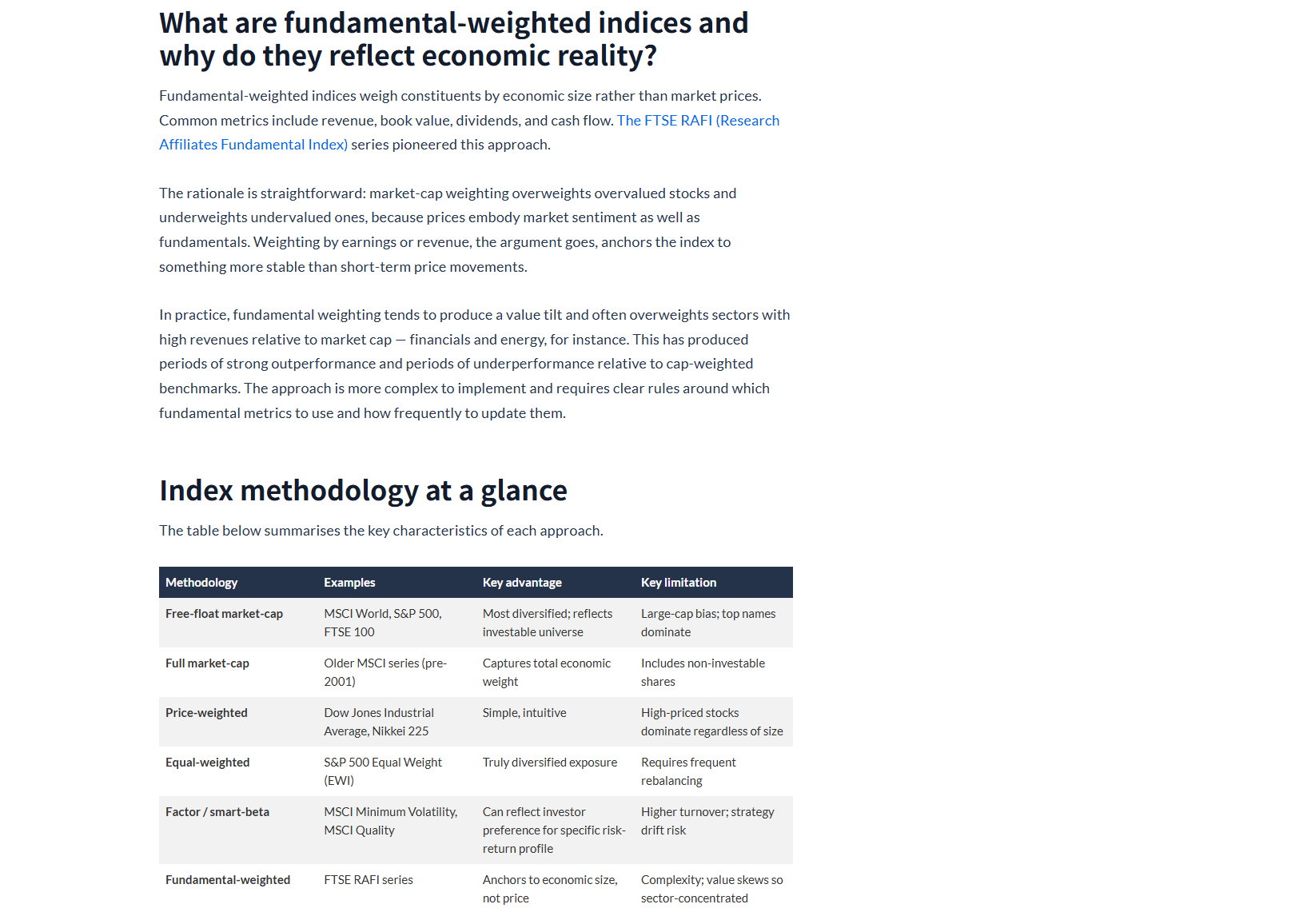
Working with an agency, we worked through the different SEO and GEO facets, from JSON schema and meta titles and descriptions to prompts and keyword sets. Every H2 was written as a direct, answerable question, and the architecture made sure the first paragraph answered it, so the page could be cited by AI more easily. English and Chinese versions were each optimised independently for their own search context instead of being treated as a straight translation of each other.
Multichannel content scaled by AI
With financial literacy articles localised for the Hong Kong audience as the basis, I set up an agentic automation system that automatically triaged articles to translation, social media posts and visuals, as well as in-article graphs and tables. Time-sensitive articles that required constant updates, such as fixed deposit rates, were also done by AI via accessing the article's HTML source.
Results
- Localised a full Singapore content library into Hong Kong across 9 channels, including eDM, web pages, SEO blogs and WeChat
- Localised retirement articles scored 4,000-10,000 impressions each, per Google Search Console
- The success of the localised articles let content lead paid ad campaign direction, choosing the best finlit micropage for conversion
- Finlit-derived social media posts drove 10% more impressions than posts of other kinds
Want this run on your content?
The first audit is complimentary. Two days from kickoff to write-up.