Building a cross-cultural content design framework
A repeatable framework for reconciling high-context and low-context user expectations within a single product.
Building a repeatable cross-cultural content design framework for SHOPLINE, a Chinese eCommerce SaaS platform scaling into Western markets.
Metrics and outcomes
The challenge
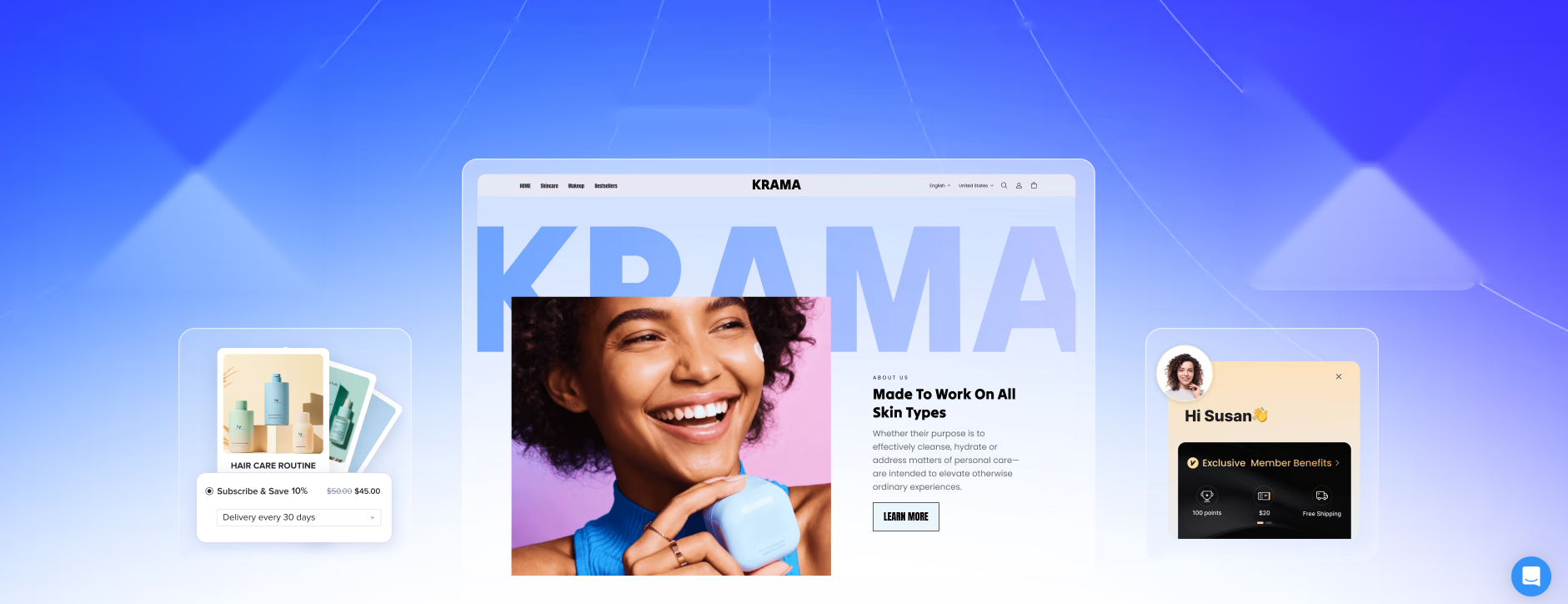
SHOPLINE, a Chinese eCommerce SaaS platform scaling into Western markets, faced two blockers at once: English wasn't the domestic team's primary language, and Western design conventions weren't their default. The business need was a single product that could serve both without maintaining two parallel content approaches.
High-context users in markets like Mainland China, South Korea and Japan expect density — more features visible, more choices upfront, higher tolerance for finding their own way. Low-context users in markets like the UK, Germany and the US expect the opposite: a simple linear journey, low tolerance for ambiguity. The user need was a product that read as native in either mode, not a compromise between them.
The problem to solve: give UX and product designers, most without cross-cultural training, a repeatable way to write for both audiences from one framework rather than solving it case by case.
Gathering insights
Knowing the content pitfalls
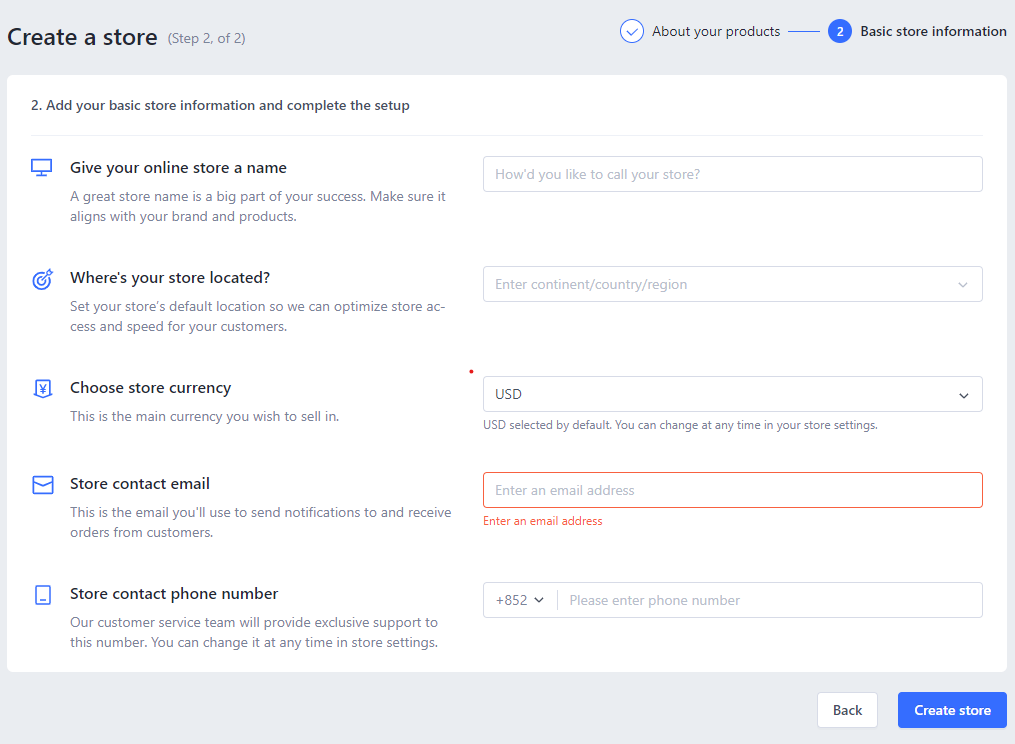
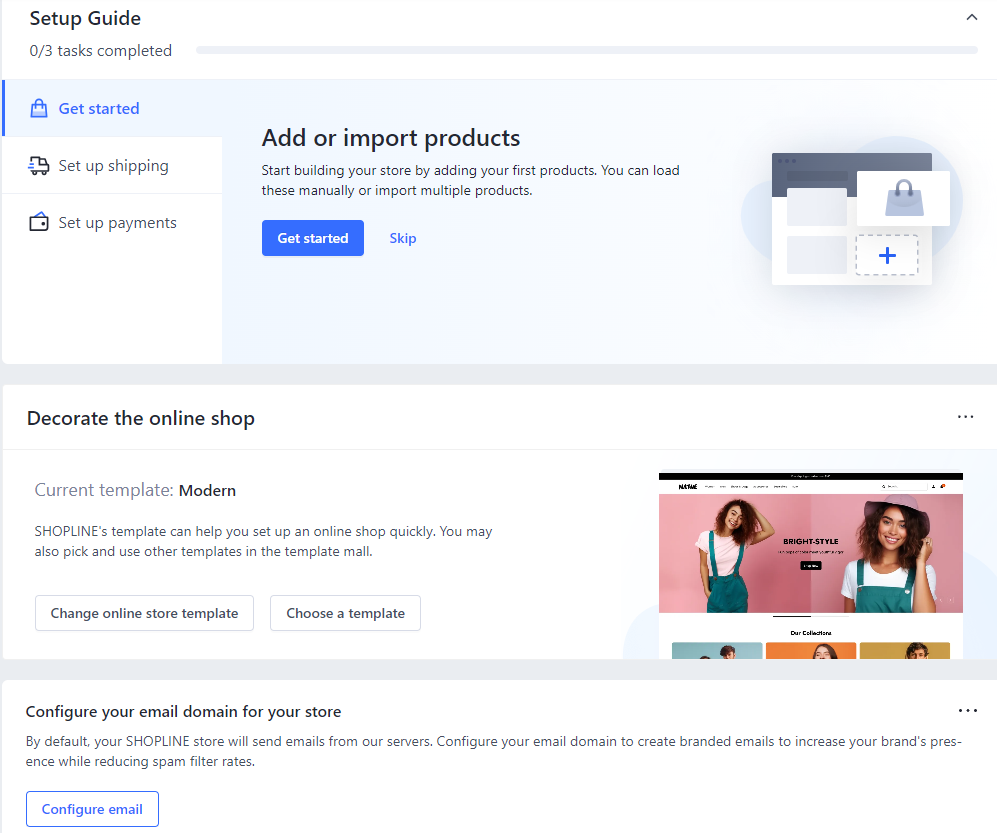
First, I needed to understand the state of the UI strings and webpage copy. As the first copywriter hire working in a predominantly Mainland Chinese tech environment, I acted as the guardrail in copy governance, relying on an original editorial style guide. The audit showed copy quality was subpar, held back by cultural barriers and the lack of a governing framework.
Bridging the cultures
Mainland Chinese product developers tend to be product-oriented. They focus on product selling points and listing as many options as possible. That ran against low-context expectations of sleek, need-oriented product framing.
Ideation
Anchored every piece of copy to product intent
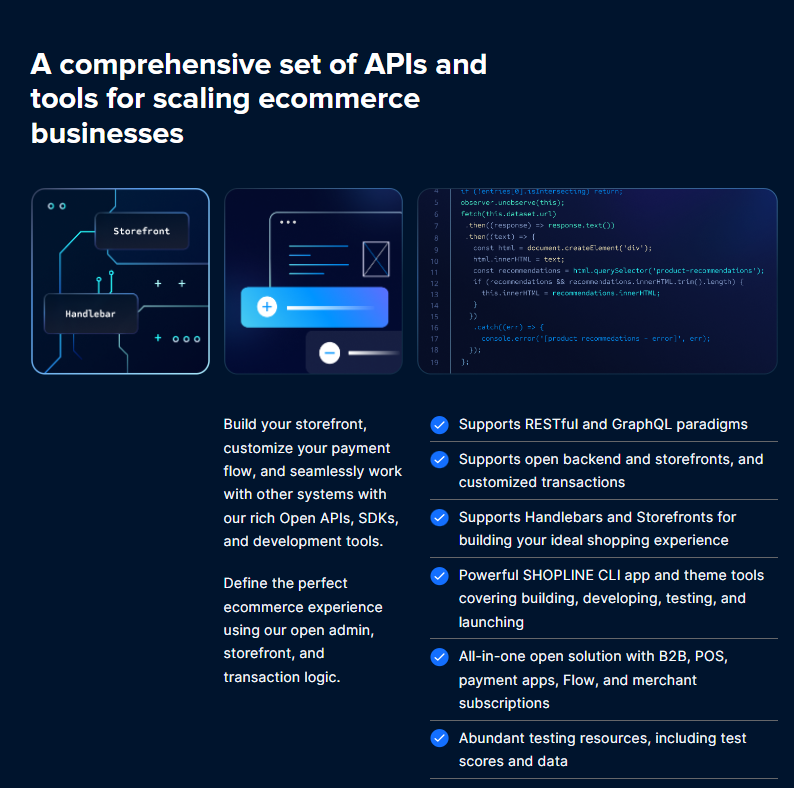
I invented an inverted-pyramid method that listed every message stakeholders wanted included, ranked by relevance to the core user goal, then cut what didn't earn its place. This kept business-goal language out of user-facing microcopy in favour of what the product could actually promise.
Applied a dual-empathy model as a working checklist
Every content review had to satisfy internal empathy (translating a designer's intent into something the audience understood) and external empathy (grounding copy in what the user needed at that moment), paired with structured research across domestic and international competitors to find tone and pattern choices worth adapting and mistakes worth avoiding.
Documented the framework and trained the teams
I devised workshops for UX and product teams that covered content design basics, the differences between English and Chinese copywriting, and how to spot the most important message in a given scenario. A tone of voice guide, terminology repository, shared visuals guide and competitor research library followed, so the approach could scale past a single feature or launch.
Devised an A/B blind preference survey
I set up a series of blind before-and-after tests and put them to our internal global stakeholders, who scored which version worked better for our users.
Results
- Developed a repeatable framework for scaling a Chinese SaaS product's UX into Western markets
- Scored 4 out of 5 in blind A/B preference testing against the old content approach
- Ran more than 4 internal workshops in Mandarin for designers, product managers and management to implement the new system
Want this run on your content?
The first audit is complimentary. Two days from kickoff to write-up.